VANAKKAM, IYUVOBAN, WELCOME YOU"Motherhood is priced Of God"--"Be GOOD Do GOOD"

Sunday, October 1, 2023

Challenges Faced by Small and Medium Enterprises (SMEs) in Adhering to Climate-Related Regulations in Asia

Introduction

The issue of climate change has become increasingly urgent, and its impact on the Asian continent is particularly pronounced. Extreme weather events are occurring with alarming frequency, raising concerns about the effects of climate change on both human rights and economic growth. According to the "CORPORATE ACCOUNTABILITY AND CLIMATE CHANGE" white paper by Asia in Focus, experts predict a 48% probability of global temperatures rising by 1.5 degrees Celsius above pre-industrial levels by 2026. These changes not only demand immediate attention but also call for a collective effort to mitigate climate change and its consequences.

Climate Change in Asia

Asia has been a significant contributor to the world's carbon emissions over the last two decades, primarily driven by the rapid expansion of its industrial sector. In contrast, the rest of the world has seen a slight decrease in emissions during the same period. This makes Asia not only a major greenhouse gas emitter but also one of the most vulnerable regions to the impacts of climate change. Rising sea levels, extreme heatwaves, typhoons, and droughts pose serious risks to Asia's densely populated urban centers.

Wednesday, September 27, 2023

Bridging the Gender Gap: From Education to Employment

The gender disparity in workforce participation has been a persistent issue in Sri Lanka, sparking discussions and calls for action over the years. Despite ongoing talks, tangible progress in narrowing this gap still needs to be made. As Sri Lanka grapples with a severe economic crisis, it becomes imperative to closely examine the labour force and unlock its potential to aid economic recovery.

Sri Lanka is approaching the final stages of its demographic dividend, marked by a significant portion of its population falling within the working age range (typically 15-64 years old) relative to the dependent age categories, such as the elderly and children [1]. According to the Asian Development Bank, Sri Lanka's working-age population is projected to peak around 2027 [2]. This presents a unique opportunity to bolster economic prospects by implementing appropriate socioeconomic policies, similar to how successful economies like Singapore and Hong Kong have utilized their demographic dividends to propel economic growth.

Crucially, a substantial segment of this working-age population comprises highly educated women with longer life expectancy, necessitating targeted interventions to harness their economic potential.

Saturday, September 2, 2023

🌟 Honored to Be a Guest of Honor at London College 🌟

I am truly grateful to Mr. Amila Perera, CEO of London College, for inviting me as the Chief Guest at their prestigious awarding ceremony on August 19, 2023.

In today's world, skill development is the key to success in one's career, and it's heartening to see the private sector taking the lead in providing essential skills that meet the demands of industries, both domestically and internationally.

As I walked into the college, I was warmly welcomed by the dedicated staff and enthusiastic students. Their passion for learning and growth is truly inspiring.

Wednesday, August 30, 2023

Reimagining Economic Growth in Sri Lanka: Turning Diversity into Opportunity

Introduction: Sri Lanka, a nation rich in cultural diversity and natural resources, has faced significant economic challenges recently. The year 2022 saw the country's economy contract by a substantial 7.8 per cent, marking a continuation of a series of setbacks, including the impact of COVID-19. As the government navigates these challenges, there is a pressing need to reimagine economic growth by capitalising on its inherent diversity to create new opportunities. This article delves into the critical aspects of Sri Lanka's financial situation as highlighted in the World Bank's Sri Lanka Development Update 2023. It proposes strategies for turning diversity into a catalyst for rejuvenating the economy.

Sunday, August 27, 2023

How Entrepreneurs Can Thrive Amidst Recession in Sri Lanka

The Small Medium Enterprise (SME) sector, often hailed as the backbone of the Sri Lankan economy, has faced many challenges recently. Once driving economic growth, regional development, employment, and poverty reduction, these SMEs now teeter on the edge of collapse. Starting with the aftermath of the Easter Sunday attacks in 2019, followed by the relentless onslaught of the COVID-19 pandemic, and now compounded by an ongoing economic crisis, SMEs find themselves hanging by a thread. As hundreds have already exited the sector, existing businesses remain highly vulnerable, grasping for any lifeline the Government can extend.

Saturday, August 26, 2023

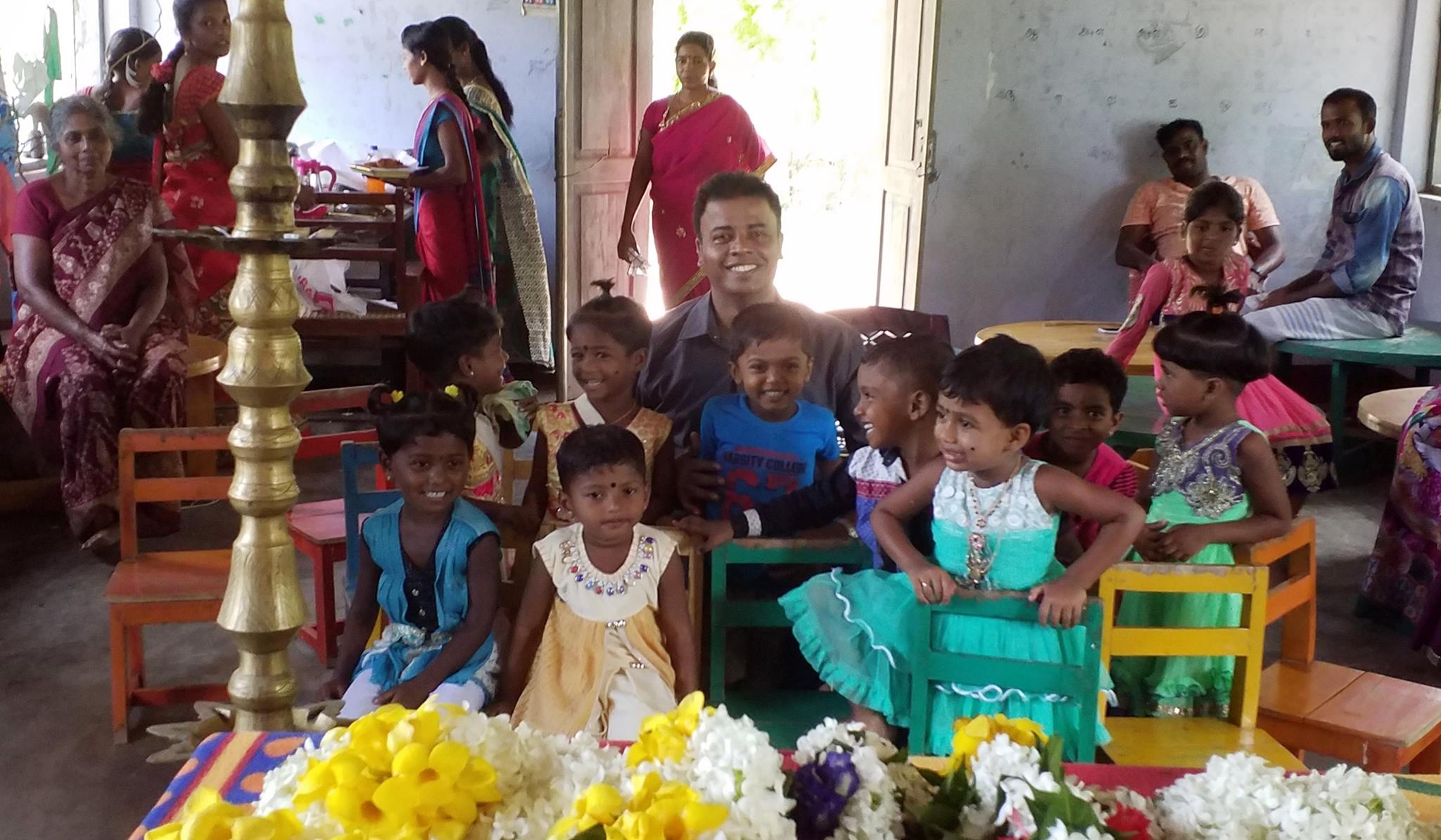
Nurturing Tomorrow: Transforming Sri Lankan Childhoods for a Prosperous Future

As the sun rises over the emerald landscapes of Sri Lanka, a profound opportunity dawns upon the nation – the chance to shape the destiny of its children and secure a prosperous future. The journey begins not just with the formal education that commences at primary schools but even earlier, in the tender years of preschool education. The roots of learning, curiosity, and cognitive development are shown in these formative years. Here, the roadmap to nurturing a generation capable of meeting the challenges of a rapidly evolving world must be forged. The recent announcement by the government to elevate the preschool education system to international standards is a commendable step, but this commitment must translate into concrete action. The journey towards "Nurturing Tomorrow: A Roadmap to Investing in Sri Lankan Childhoods" demands not just words but comprehensive, strategic investment backed by policy reforms, resource allocation, and a passionate pursuit of excellence.

Sunday, August 6, 2023

Bridging the Financial Chasm for Small and Medium Enterprises: A Critical Review

In the complex landscape of global economic development, Small and Medium Enterprises (SMEs) emerge as vital cogs driving growth, employment, and innovation. Their substantial contribution, particularly in developing countries, cannot be overstated. A recent report by the World Bank underlines the indispensable role of SMEs in economies across the globe, spotlighting their significance in job creation and fostering economic prosperity.

The World Bank's article "Improving SMEs’ Access to Finance: Unlocking Sources of Capital" masterfully delves into the multifaceted realm of SME finance, deftly encapsulating its crucial importance and the challenges that often besiege its advancement. As we peruse its insightful pages, a straightforward narrative emerges - the world's SMEs are fundamental pillars of modern economies, embodying the dynamism and tenacity that drives sustainable development.